With summer heat waves rolling across much of the US again this year, it’s worth revisiting a danger that lands pets in the emergency vet every season. Heatstroke in animals is a health hazard we’ve touched on before. This time we’ll look at what causes it, how to spot it early, and how to prevent it.
Pet owners and transporters alike will find this useful. Keeping an animal safe, healthy, and comfortable is always a team effort. If you need help finding products that prevent dehydration and overheating, we’ve gathered our favorite dog summer accessories.
What Is Heatstroke?
High body temperature can be caused by various factors. Fever, for example, is a well-known symptom of inflammation. But sometimes temperatures keep climbing without an obvious underlying cause. The body’s heat-dissipating systems become unable to deal with the environmental conditions, triggering a whole series of malfunctions.
This results in what’s commonly known as heatstroke — a state of persistently elevated temperature that the body cannot regulate.
Left unmanaged, heatstroke can have serious consequences for animals and humans alike, ranging from fainting to organ failure and, in the worst cases, death. It is not a rare outcome. In one large veterinary study of dogs treated for heat-related illness, roughly one in seven did not survive (Hall et al., 2020). The good news: survival odds improve sharply when owners catch the signs early and start cooling the animal right away. That is what this guide is here to help you do.

Which Animals Are Most at Risk?
One of the few physical advantages humans have over animals is our ability to dissipate excess heat. Cats, dogs, and the rest of our furry friends have a harder time. While we sweat through our skin, they rely mainly on their paws, which are far less efficient, and on panting, which has its own limits.
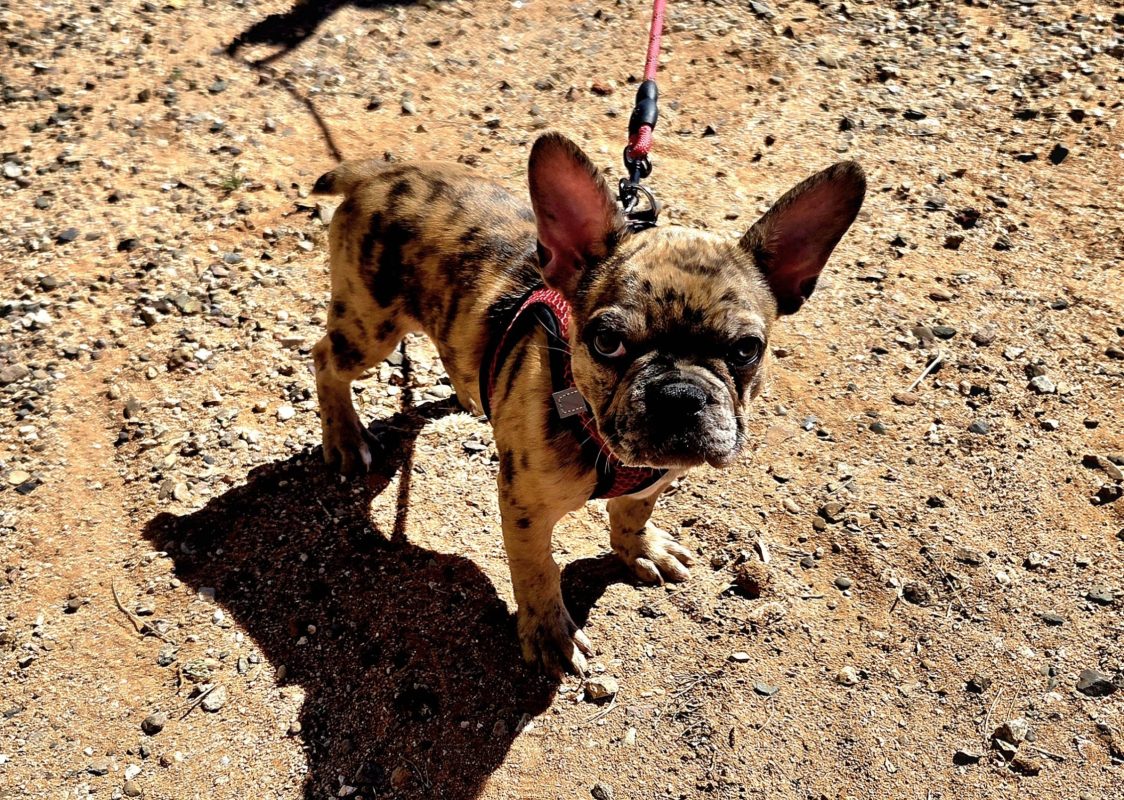
Most pet owners know that certain dog breeds are especially prone to heat exhaustion. Bulldogs, Pugs, and other brachycephalic (short-nosed) dogs have obstructed airways that make panting harder, so heat dissipates more slowly. Recent veterinary research backs this up: Bulldogs and French Bulldogs show far higher odds of heat-related illness than breeds like the Labrador Retriever.
It’s less well known that many cats face the same problem. Short-snouted breeds such as the Persian and the Himalayan also carry an elevated risk of heatstroke.
That doesn’t mean owners of other breeds can relax. Almost any animal can struggle to regulate its body temperature. Very young, very old, overweight, or heavy-coated cats and dogs of any breed all deserve extra attention in the heat.

Recognizing the Signs of Heatstroke
When heatstroke does occur, it’s important to gauge how serious the situation is. That tells you which steps to take immediately and when to get a veterinarian involved.
Here are the symptoms most associated with heatstroke in animals:
- Excessive panting or hyperventilation: compared to the animal’s usual breathing rate
- Elevated pulse or heartbeat: above 100 bpm for large dogs, 140 for small dogs, 220 for cats
- Elevated body temperature: above 103°F for most cats and dogs
- Anxiousness: the pet may pace nervously for no apparent reason
- Listlessness: or the opposite, with lethargic and unresponsive behavior
- Dry, dark gums: a possible sign of acute dehydration
- Vomiting or seizures: a possible sign of acute heat stress
Keep in mind that most of these symptoms vary in intensity over time. Only by monitoring the pet closely can you tell how well they’re actually handling the heat.

What to Do If a Pet Is Overheating
If you spot the warning signs, act quickly. The steps below can preempt heatstroke or blunt its impact while you get help:
- Move them to a cool spot. Get the pet into shade or air conditioning right away to stop further heat exposure.
- Offer fresh, cool water. Let them drink cool (not ice-cold) water. Don’t force it if they’re unresponsive.
- Start cooling them down. Wet their coat with cool water and wrap them in damp towels, focusing on the belly, armpits, and paws. Ice-cold water can be counterproductive, so aim for cool.
- Call a vet. If the pet doesn’t improve quickly, or if they collapse, vomit, or seize, get to the nearest veterinarian immediately. Heatstroke can cause internal damage even after the pet looks better.
Hot Pavement Can Burn Their Paws
Heat doesn’t only come from the air. It radiates up from the ground, too. Asphalt and concrete absorb heat and hold it for hours, staying dangerously hot long into the evening and even on overcast days. When the air is a mild 77°F, pavement in the sun can climb to about 125°F, hot enough to burn a dog’s paw pads in roughly 60 seconds.
An easy field test is the seven-second rule: press the back of your hand flat against the pavement. If you can’t hold it there comfortably for seven seconds, it’s too hot for your pet’s paws. When in doubt, walk on grass, schedule outings for early morning or after sunset, and consider protective booties for pets that tolerate them.

Heatstroke Prevention Tips
Recognizing heatstroke matters, but preventing it matters more. A few simple habits go a long way toward keeping any pet safe.
First, reduce their exposure to direct sunlight. Keep to the shade on walks, and keep pets indoors or sheltered when the sun is at its peak.
Keep pets supplied with plenty of fresh, cool water at all times, just not ice-cold. Many (though not all) animals also enjoy a light misting, and a cool, damp towel can ease the pressure too.
Watch the humidity as well. Too much moisture in the air makes it harder for pets to cool themselves, so keep them in a well-ventilated space and use fans as needed.
And the big one: never leave a pet alone in a parked car. Not even for a few minutes. According to the American Veterinary Medical Association, a car’s interior climbs about 20°F in just 10 minutes and nearly 30°F in 20 minutes, so a pleasant 70°F day becomes 110°F inside before you’ve finished a quick errand. Cracking the windows barely helps, and parking in the shade doesn’t save it. Hundreds of pets die this way every year. The video below shows just how fast it happens:
Extra Peace of Mind When You Ship a Pet
Summer heat is one of the biggest reasons pet owners hesitate to book long-distance transport. It’s a fair concern, but the answer is careful planning, not avoiding the trip. CitizenShipper is a marketplace that connects pet owners with background-checked, independent transporters who specialize in animal transport; the drivers plan the route, run the A/C, and handle the trip. Because you message and choose your own transporter, you can confirm exactly how a driver manages hot weather before you book.
Every eligible pet booking also comes with $1,000 Pet Protection Coverage and 24/7 on-call vet access through FirstVet, so if a heat-related concern comes up on the road, a licensed vet is a call away. Drivers can sharpen their hot-weather skills further through the Cat & Dog Transportation Safety Course.
Frequently Asked Questions
What is heatstroke in animals?
Heatstroke in animals is a state of persistently elevated body temperature that the body cannot regulate. It happens when the body’s heat-dissipating systems can’t keep up with the environment, causing a cascade of malfunctions. Left unmanaged, it can lead to fainting, organ failure, or death.
What are the signs of heatstroke in pets?
Watch for excessive panting or hyperventilation, an elevated pulse (above 100 bpm for large dogs, 140 for small dogs, 220 for cats), a body temperature above 103°F, anxious pacing, listlessness or unresponsiveness, dry and dark gums, and vomiting or seizures.
Which dog and cat breeds are most at risk for heatstroke?
Brachycephalic (short-nosed) breeds such as Bulldogs, French Bulldogs, and Pugs are especially prone, because their obstructed airways make panting less effective. Current veterinary research shows they present for heat-related illness far more often than breeds like the Labrador. Short-snouted cats like Persians and Himalayans share the same elevated risk. Very young, very old, overweight, or heavy-coated pets of any breed also need extra care.
Interested in being a transporter?
Get FREE access to our courses here 👇
The Driver’s Success Guides to CitizenShipper ✨
How can you prevent heatstroke in pets?
Limit direct sun exposure and keep pets in shade or indoors during peak hours, provide constant access to fresh, cool water, keep them in a well-ventilated space, and avoid hot pavement that can burn their paws. Most importantly, never leave a pet alone in a parked car, where interior temperatures can rise about 20°F in 10 minutes even with the windows cracked.
How hot does a parked car get for a pet?
Fast enough to be deadly. The AVMA reports a car’s interior rises roughly 20°F in 10 minutes and nearly 30°F in 20 minutes, so a 70°F day can reach 110°F inside within an hour. Cracking the windows or parking in the shade does little to slow it, which is why pets should never be left alone in a vehicle.

Patrick MacFarland has been a teacher, a candidate for public office, and a local tour guide. But now he dedicates his time writing full-time, currently at CitizenShipper and VeraContent.