

Trust & Safety Hub / Safety Standards & Protocols
Last Updated on March 9, 2026
Trust & Safety Hub
Pet Transport Safety Resources and Best Practices
Safe pet transport starts with prepared transporters. CitizenShipper supports every transporter on the platform with access to a vet-reviewed safety course, on-demand veterinary telehealth through Vetster, and recommended practices drawn from industry guidance. This page brings those resources together in one place.
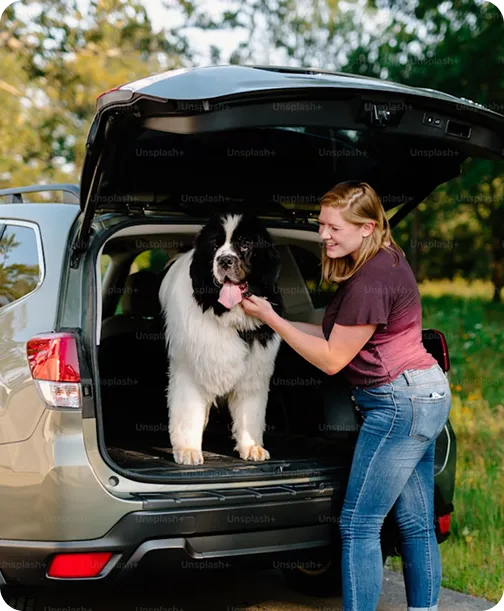
CitizenShipper's Cat and Dog Transportation Safety Course
CitizenShipper offers a free, vet-reviewed safety course that covers the fundamentals every pet transporter needs, from emergency first aid and heatstroke response to safe crate setup and handling special-needs animals. The 9-module course was developed with a licensed veterinarian and is available to all transporters on the platform.
CitizenShipper's Cat and Dog Transportation Safety Course was developed in partnership with a licensed veterinarian (DVM) to give transporters a comprehensive foundation in animal care and emergency preparedness. The 9-module course covers business essentials, emergency preparedness, basic first aid, heatstroke prevention and treatment, CPR and choking response, safe travel setup, feeding and walking, handling practices, and special cases including immunocompromised breeds, elderly pets, and puppies. The course is available to all transporters on the platform and enrollment is available here.
On-Demand Veterinary Support Through Vetster
Every CitizenShipper transporter can access 24/7 veterinary telehealth through Vetster at no extra cost during active shipments. Licensed veterinarians are available by video call or chat to address health concerns, recommend treatment, and connect transporters with nearby clinics when in-person care is needed.
Getting started is simple:
1. Create an account using your CitizenShipper email
2. Add each pet you're transporting to your profile
2. Add each pet you're transporting to your profile
3. Use the chat option in the Vetster app for quick advice
4. Book a video consultation for more detailed help
Transporters can create their account here.
4. Book a video consultation for more detailed help
Transporters can create their account here.
Pet Transport Best Practices
The following practices reflect industry standards and guidance from organizations like the USDA and IPATA. They cover the essentials that customers and transporters should address before and during every pet shipment, from health documentation and feeding schedules to climate control and emergency planning.
1
Health Certificate for Interstate Travel
Many states require a Certificate of Veterinary Inspection (CVI) for pets traveling across state lines.
Issued by a licensed veterinarian, typically within 10 days of travel
Indicates the pet was examined and fit for transport at the time of issuance
Separate from background checks
Pet owners should consult their veterinarian regarding vaccinations or additional documentation that may be required.
2
Rest, Food, and Water
Transport planning typically considers an animal’s routine care needs, including:
Access to fresh water at appropriate intervals
Feeding according to owner instructions
Periodic stops for bathroom breaks and movement based on the animal’s needs
3
Climate-Controlled, Pet-Safe Vehicle
Vehicles used for animal transport generally allow for temperature management to reduce heat or cold stress, particularly during seasonal extremes.
4
Industry Handling Practices
Industry organizations, such as the USDA or IPATA, publish handling and transport guidance covering topics such as:
Crate sizing and construction
Animal handling and restraint
Sanitation and ventilation
Travel duration considerations
Referencing these frameworks can help promote consistency and care across the marketplace.
5
Emergency Preparedness
Transport planning may include preparation for unexpected situations, such as:
Access to veterinary contacts along the route
Identified safe stopping areas
Procedures for accidents, delays, or pet health concerns
Step-by-Step Guidance in the Help Center
For scenario-specific guidance, the CitizenShipper Help Center covers the most common questions transporters and shippers face - from health certificate requirements to preparing pets for long-distance travel. Articles are organized by topic and updated regularly.
Browse the Help Center
Browse the Help Center